20 Easy Tips For Picking Floor Installation
Wiki Article
Best Flooring Types For Philadelphia's Climate And Humidity
Philadelphia isn't recognized enough as a truly challenging climate for flooring. It's located in a region where there are real winters- dry cold, cold air that expands the wood, as well as humid summers that push water into every aspect of the. Take into consideration that a substantial portion of the home stock is old, frequently without a consistent climate in every space, and you'll have conditions that reveal the flaws of any flooring material not in a good fit with the environment. Whatever works with the climate of Phoenix or Seattle isn't necessarily applicable to homes in Philadelphia. This guide provides a breakdown of how each of the major flooring types actually holds up in Philadelphia homes through all four seasons.
1. Solid Hardwood Demands Respect for the Climate
Solid hardwood is not an inexpensive option in Philadelphia. It is extremely durable when installed correct, properly acclimated and maintained in a residence that is able to maintain a stable humidity -- ideally between 35 and 55 percent during the entire year. If those conditions don't exist as it is, you will experience gaps in winter and cupping during summer. Older rowhomes lacking central air or even a consistent distribution of heat are among the most dangerous places for solid hardwood. However, that doesn't mean it's the incorrect choice, but it will make proper installation and humidity management a necessity.
2. Engineered hardwood was actually designed to Work in This Climate
The layered cross-ply of engineered hardwood blocks the growth and contraction which cause solid wood to change shape and size during the seasons. It offers real hardwood for the exterior –real grain, real characteristics, and the ability to refinish based on the thickness of the wear layer -- and significantly improved dimensional stability underneath. For Philadelphia residences, particularly in Bucks County and Montgomery County which have older structures that are subject to unpredictability of basement water, engineered lumber hits a practical sweet spot unlike solid wood which is impossible to be matched in all conditions.
3. LVP is the most climate-friendly Option Available
Luxury vinyl plank isn't attracted by water, does not contract when exposed to dry winter temperatures, and isn't concerned whether your HVAC is on the go or not. For Philadelphia homeowners who live in basements or below-grade spaces or rooms that swing dramatically between seasons, LVP could be the perfect flooring that will perform for years to come. Waterproof flooring installation has become an increasingly sought-after services offered by flooring contractors throughout Delaware County and South Jersey precisely because homeowners have learnt this lesson many times over having a water-related issue with a another product.
4. Laminate could be the weakest climate Connection in the line-up
Laminate flooring looks similar to LVP on paper, however it behaves different in humid conditions. It is made of wood fiber that absorbs moisture, swells at the edges, and once damage is started, it's impossible to reverse. In a climate controlled, dry Philadelphia home, it's likely to last successfully for many years. If you have a kitchen with a rowhome layout, basements or any room which gets a lot of humidity, the laminate is not recommended. Quotes for installation of flooring on a budget usually contain laminate in places where LVP would be a smarter purchase.
5. Porcelain Tiles are invulnerable to Philadelphia's Humidity
From a purely moisture-resistance point of view in terms of moisture resistance, porcelain tile is considered the top choice. It doesn't expand, it doesn't expand, it doesn't contract, and it doesn't absorb water and is able to outlast every other flooring option available in high-humidity and humid environments. The downside is that it's extremely cold in winter, rough on joints and the grout will require maintenance. Tiles made from porcelain for Philadelphia bathrooms and kitchens has remained popular for good reason -It's the perfect choice for rooms with the current climate.
6. Ceramic Tile Works but Has Porosity Limitations
Ceramic tile is a step below porcelain in density and moisture resistance, yet it is over any other wood-based flooring choice in damp areas. In the case of bathroom tile installation as well as ceramic flooring on kitchens and bathrooms in Philadelphia homes, it is the best option where cost is an issue since ceramic typically costs less than porcelain per square feet. The major difference is that ceramic shouldn't be utilized in areas with potential freezing or standing water -- exterior applications are where porcelain wins clearly.
7. Wide Plank Hardwood Needs Extra Humidity Management
This is one of the things that most homeowners fail to realize until it's too late. Wider hardwood planks of five inches and above are more agitated when the humidity fluctuates and are more prone to sagging than strip flooring. In Philadelphia's seasonal climate, the wide plank of solid hardwood in homes with weak humidity control might show gaps in winter, which close back up in the summer. Flooring contractors who deal regularly on wide planks of wood will raise this conversation upfront. People who do not will be in for the worst winter ever with your brand new floors.
8. Subfloor Moisture Is a Separate Problem from Ambient Moisture
Both of these are distinct issues to be addressed in different ways. Ambient humidity in the household affects how wood flooring expands and contract during the summer. Subfloor moisture, vapor expulsion by concrete slabs infiltrating older subfloors or inadequate ventilation for the crawlspace is a serious risk to adhesive bonds and floating floor stability. It is essential to conduct a thorough analysis of the subfloor prior any flooring installation in Philadelphia, Bucks County, or Delaware County homes should include humidity readings, not merely visual inspection.
9. Acclimation Time Is Not Optional in This Region
Flooring made of wood must be acclimatized to the temperatures and humidity of your house prior installing it -- generally 3 to 7 days during the time it is in your space. In Philadelphia and other cities, rushing or skipping this step can mean you end having floors that shift significantly following installation because the wood was not equilibrated to the conditions in your home. Installers who are licensed to install flooring schedule this time into their construction timetables. Cost-conscious contractors who show up and start the installation on the same on the day that flooring arrives are making a mistake that will be visible.
10. The best climate choice is Always Site-Specific
An Montgomery County home with a fully-finished basement, central heating, and consistent year-round humidity control is a totally different situation from the typical Philadelphia rowhome with radiator heat but no air conditioning and a damp cellar underneath. Flooring that does well at one place will be ineffective at the opposite. The flooring professionals worth hiring in this particular area don't suggest items from a catalogthey study the real living conditions in your home and match the material to the specific conditions it will reside in for the next 20 years. Read the most popular
free flooring estimate Philadelphia for site examples including LVP flooring installation Philadelphia, hardwood floor installation Bucks County, hardwood floor resurfacing Philadelphia, best flooring contractors Philadelphia, kitchen tile flooring Philadelphia, flooring installation cost Philadelphia, ceramic tile flooring Philadelphia, laminate flooring installation Philadelphia PA, custom hardwood staining Philadelphia, flooring installation Philadelphia and more.
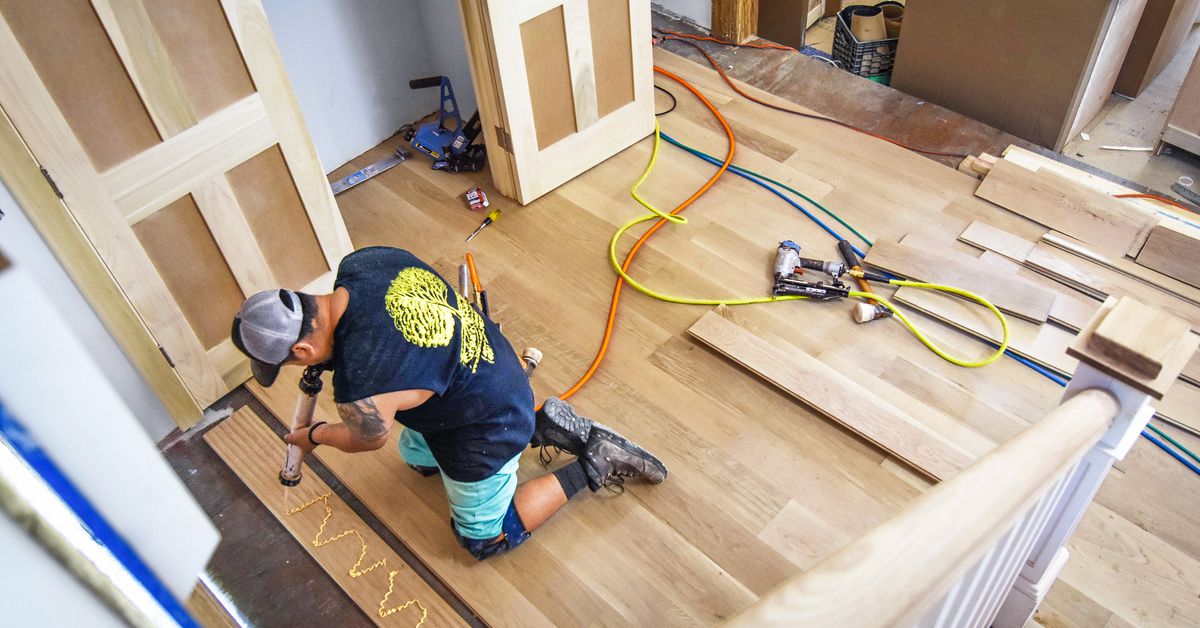
Flooring Options That Are Waterproof For Philadelphia Bathrooms
Bathrooms are among the places where flooring decisions have the least margin for error. Each other room in a Philadelphia house can handle something that's just water-resistant while a bathroom will not. Shower water, steam from the shower, around the bases of toilets and in the splash zones of sinks as well as the general humidity that the bathroom is constantly generating can expose any weakness in flooring which isn't really waterproof. Philadelphia homes come with additional issues including subfloors from the past that already be carrying moisture bathrooms that haven't even been renovated since the 1970s and in many rowhomes, bathrooms set above a finished living spaces in which a flooring malfunction could create a ceiling problem downstairs. Here's what actually is working, what's not and what to inquire about before you put a bathroom floor in.
1. Porcelain Tiles are the Benchmark Every Other Surface is Compared
There's a reason why porcelain tile has been a popular bathroom flooring choice for years -- it is genuinely resistant to water at its floor, able to withstand humidity and steam with no degradation and, with the proper installation and grout sealing it will outlast other options even in humid conditions. Tiles made of porcelain in Philadelphia bathrooms is the option which has the longest documented record. The disadvantages are realcold underfoot, difficult on joints, maintenance of grout required, however, no other tile can match its waterproofing properties and long-lasting durability in the bathroom setting.
2. Ceramic Tile Is a Legitimate Moving Step, It's not A Suitable Alternative
Both porcelain and ceramics are frequently spoken of as the same thing in the bathroom. There is more permeability in ceramic than with porcelain, and this is important in a bathroom where moisture is never-ending rather than occasionally. For a powder room or a guest bathroom with little use, ceramic tile flooring is a viable and affordable option. For a primary bathroom in a Philadelphia house that has daily shower usage, the density and resistance to moisture is well worth the extra cost by square foot. The procedure for installing is similar however the performance over time isn't.
3. LVP is the most practical Waterproof Alternative to Tile
Luxury vinyl flooring has gained its place on the table in bathroom flooring discussions. The material itself is 100 percent waterproof. The main does not absorb water, the surface doesn't degrade with the presence of moisture. It's also warmer and more comfortable than tile. The only caveat to installing it in bathrooms is that LVP's water-proofing applies to the floor planks alone, but not always to seams between them. In bathrooms with a lot of water exposure, such as a walk-in shower with no barrier, a freestanding tub with a large amount of water, it is possible for water to make through planks and penetrate the subfloor over time. Correct installation and seam sealing is crucial more than in any other room.
4. Laminate in the Bathroom is an Unforgivable Decision
This must be stated without ambiguity since laminate shows within bathroom flooring costs usually on the strength of its lower cost. Laminate includes a wood-fiber center. The continuous bathroom and the wood fiber moisture are not compatible. The edges swell, the seams expand, the layer is separated, and the damage accelerates in a bathroom more quickly than any other room in the home. A cheap flooring installation that installs laminate in the Philadelphia bathroom is not an inexpensive option. It's an upgrade job that has been delayed by a few years. Anyone who suggests laminate for the primary bathroom should be confronted directly on the reasons.
5. The Subfloor Below a Philadelphia Bathroom Needs Honest Assessment
Older Philadelphia rowhomes and suburban colonials commonly have bathroom subfloors with a long-standing historical moisture issues -- prior leak staining, soft spots caused by decades of water exposure, or even original boards that have taken on more moisture than they are required to absorb over time. New flooring installed over a compromised subfloor doesn't solve any of the issues, but it simply covers it, while it continues to degrade. Subfloor repair in Philadelphia bathrooms before flooring goes down is not an opportunity to make a sale, it's a prerequisite for the new flooring to work correctly and not fall apart prematurely.
6. Floor Heating Compatibility Varieties based on Material
Radiant floor heating used in bathroom installations -- which is becoming frequent for Montgomery County and Delaware County home remodeling -- isn't an ideal fit for all flooring types. Porcelain tile conducts and holds heat well, making it the ideal flooring for an heated subfloor. LVP is compatible with radiant heating, however it has temperature thresholds that must to be respected - excessive heat could result in dimensional instability. If the heating of your bathroom is an element of your bathroom renovation, your flooring material selection and the heating system's requirements need be discussed in tandem, not separately.
7. The layout of the bathroom tiles affects both Appearance and Water Management
This is one of the things that will distinguish experienced tile flooring installers from those who know only how to install tiles. Bathroom floors require an even slope towards the drain, usually 1/4 inch per foot -to stop standing water from getting. The tile design that doesn't take account to this fact, or resists it using large-format tiles that span the slope, can cause issues of pooling that ultimately make into the subfloor. In the discussion regarding layout with your contractor should focus on how the tile pattern interacts in relation to the location of the drain, not only how it appears on paper.
8. The choice of bathroom grout is a Practical Decision
Standard sanded and polished grout in bathroom renovations requires sealing at installation and periodic sealing throughout its lifetime. Epoxy grout -- more difficult, more expensive, and less tolerant of installationit's virtually indestructible to staining and moisture. It doesn't require sealing. If you're looking for Philadelphia bathrooms with tile installation in which the homeowner is looking for low maintenance epoxy grout is worth the cost of additional labor. For those who will be committing to regular grout maintenance, standard grout that is sealed in a satisfactory manner. What's not working is the standard grout that is never covered in a high-moisture bath location.
9. Small Format Tiles Manage Bathroom Floor Slopes Easily
The trend toward large-format tiles -- 24x24 inches and larger -- that work well in living and kitchen areas comes with practical problems for bathrooms. Larger tiles are difficult to slope towards drains without causing visible unevenness, and they require subfloors with a flat surface to prevent lippage. Tiles with smaller sizes -- 12x12 and under and, in particular, mosaic tiles are able to follow the contours of a bathroom floor more naturally, control the drain slope better and have more grout lines that increase the resistance to slip when wet. Philadelphia tile flooring contractors that have experience in bathroom construction will discuss this issue before the layout is decided.
10. Bathroom Floor and Wall Tiles Must be specified together
An oversight that could cause feelings of regret that are more aesthetic than functional issues, but it's worthwhile to avoid either. Wall and floor tiles interact visually in a constrained space in ways which are difficult to grasp through only a handful of samples. The pattern's direction, scale, grout color, and finishing should all be considered together. Contractors in flooring who also handle the installation of bathroom tiles Philadelphia work will be able coordinate this. Contractors who deal with only the floor and delegate wall tiles to a different contractor create situations where the finished space appears like two people acted independently -- because they did. View the most popular Check out the top rated LVP flooring contractors Philadelphia for more examples including flooring contractors Delaware County PA, flooring installers Philadelphia, nail down hardwood flooring Philadelphia, flooring installers Philadelphia, bathroom tile installation Philadelphia, subfloor repair Philadelphia, floating hardwood floor installation Philadelphia, solid hardwood floor installation Philadelphia, porcelain tile installation Philadelphia, engineered hardwood installation Philadelphia and more.
